


















Factory Orders
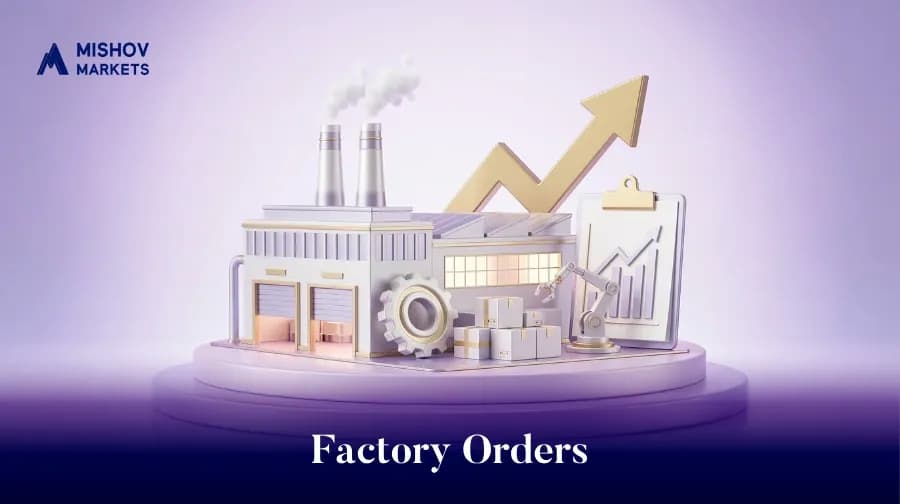
Factory Orders: A Comprehensive Guide to a Key Economic Indicator Introduction. When it comes to measuring the health of an economy, most people look at GDP growth, unemployment rates, or inflation numbers. While these are indeed crucial, there’s another powerful indicator often overlooked: Factory Orders. Factory orders give us a glimpse into the future of production and business activity. By tracking the volume and value of orders placed with manufacturers, economists, investors, and traders can anticipate shifts in demand, supply chain performance, and even currency strength.
This article breaks down everything you need to know about factory orders, what they are, why they matter, how they’re calculated, and how you can interpret them in the context of global markets.
What Are Factory Orders?
Factory orders represent the total dollar value of new purchase orders received by manufacturers. These orders can cover both durable goods (products expected to last three or more years, like cars and appliances) and non-durable goods (short-lived items like food, clothing, or chemicals).
The monthly Factory Orders Report, usually released by the U.S. Census Bureau on the first or second working day of the month, is one of the most widely monitored economic releases.
It includes:
• New Orders – an early sign of production activity.
• Shipments – how much has already been delivered.
• Unfilled Orders – backlog that hints at future work.
• Inventories – stock levels that reflect supply and demand balance.
Why Factory Orders Matter
Factory orders are more than just a number.
They provide:
1. A window into economic growth: Rising orders suggest strong demand, which fuels production, employment, and GDP expansion.
2. Signals for investors: Investors analyze factory orders to forecast the performance of manufacturing companies. A consistent increase may indicate strong earnings for industrial and consumer goods firms.
3. Insights for policymakers: Central banks and governments watch factory orders to assess whether the economy is overheating or slowing down.
4. Guidance for businesses: Manufacturers, suppliers, and logistics companies use the data to manage production schedules and inventories.
How Factory Orders Work?
Here’s the step-by-step process:
1. Data Collection – The U.S. Census Bureau surveys manufacturers across industries.
2. Categorization – Orders are split into durable and non-durable goods.
3. Analysis – The report highlights trends, growth rates, and sector-specific shifts.
4. Publication – Released monthly, usually one week after the durable goods report.
For example:
• If durable goods orders jump by 8% in a month, it may signal confidence in the economy because consumers and businesses are investing in big-ticket items.
• If non-durable orders rise steadily, it suggests stable consumer demand for everyday products.
Durable vs. Non-Durable Goods
• Durable Goods: Products with a longer life span (e.g., vehicles, machinery, electronics). These are cyclical and heavily influenced by consumer confidence and interest rates.
• Non-Durable Goods: Items consumed quickly (e.g., food, fuel, clothing). These remain relatively stable regardless of economic cycles.
By comparing the two categories, analysts can separate short-term consumption patterns from long-term investment trends.
Factory Orders vs. Other Economic Indicators
Factory orders don’t exist in isolation. They complement other reports:
• Industrial Production Index (IPI) – focuses on actual output, not just orders.
• Purchasing Managers’ Index (PMI) – surveys managers about current and expected business activity.
• Retail Sales – captures final consumer spending. Together, these create a layered picture of demand, supply, and production.
Historical Perspective: What Factory Orders Tell Us
Looking back, factory orders have served as an early warning signal during economic shifts:
• 2008 Financial Crisis: Factory orders dropped sharply, reflecting a collapse in demand as credit markets froze.
• COVID-19 Pandemic (2020): Orders plummeted due to lockdowns but rebounded strongly in 2021 as supply chains reopened.
• Energy Price Shocks: Spikes in oil and gas often affect non-durable goods orders (e.g., chemicals, plastics).
These patterns show how sensitive factory orders are to both domestic economic conditions and global events.
Global Importance of Factory Orders
The U.S. isn’t the only country publishing factory order reports.
• Germany: Known as the industrial powerhouse of Europe, Germany’s factory orders are closely tied to exports and global demand.
• Japan & South Korea: Indicators for global electronics and automobile sectors.
• China: A key barometer of global supply chains and raw material demand.
Because global trade is interconnected, a drop in German or Chinese factory orders can ripple through supply chains worldwide.
Limitations of Factory Orders
Despite their value, factory orders have some drawbacks:
• Lagging Release: Published weeks after the reference month, making it less timely than PMI.
• Volatility: Large one-time orders (like aircraft contracts) can distort monthly results.
• Sector Bias: Heavily tilted toward manufacturing, while modern economies rely heavily on services.
To avoid misinterpretation, analysts often focus on longer-term trends rather than one-month fluctuations.
Factory Orders and the Financial Markets
Impact on Stocks: Factory orders can significantly influence stock market movements. When factory orders are positive, they often provide a boost for industrial, automotive, and technology sectors, as stronger demand signals growth opportunities and healthier earnings. On the other hand, negative factory orders raise concerns about slowing demand, which can trigger sell-offs across these industries as investors fear weaker revenues and reduced production activity.
Impact on Forex: Currency traders also keep a close eye on factory orders because the data can be a reflection of overall economic health. Strong orders usually indicate growth expectations, which can lead to a stronger national currency as investors anticipate better performance and possible central bank tightening. Weak orders, however, may signal an economic slowdown, causing the currency to lose value.
Impact on Bonds: The bond market reacts to factory order data as well. Rising orders may increase inflation expectations, leading to higher bond yields since investors demand more return to offset inflation risk. Conversely, weak orders may encourage safe-haven buying in bonds, pushing yields lower as investors seek security in a slowing economic environment.
How Analysts Interpret the Report
When analyzing factory orders, experts look beyond the headline numbers. They often ask whether growth is broad-based across multiple sectors or driven by just one industry. They also evaluate whether unfilled orders are increasing, which could suggest stronger future production, or if inventories are rising too quickly, which may signal potential oversupply. Additionally, analysts compare factory orders with other indicators such as the Purchasing Managers’ Index (PMI) and industrial production data. This layered approach helps prevent false conclusions based on surface-level figures.
Visualizing Factory Orders:
To better understand the data, charts and graphs are commonly used. Visualizations may show monthly percentage changes in orders, highlight differences between durable and non-durable goods, or display historical trends of factory orders alongside GDP growth. Sector breakdowns, such as those for transportation, electronics, or chemicals, also provide valuable insights. These visuals make it easier for investors and businesses to identify long-term patterns and make informed decisions.