
















Free Forex Signals
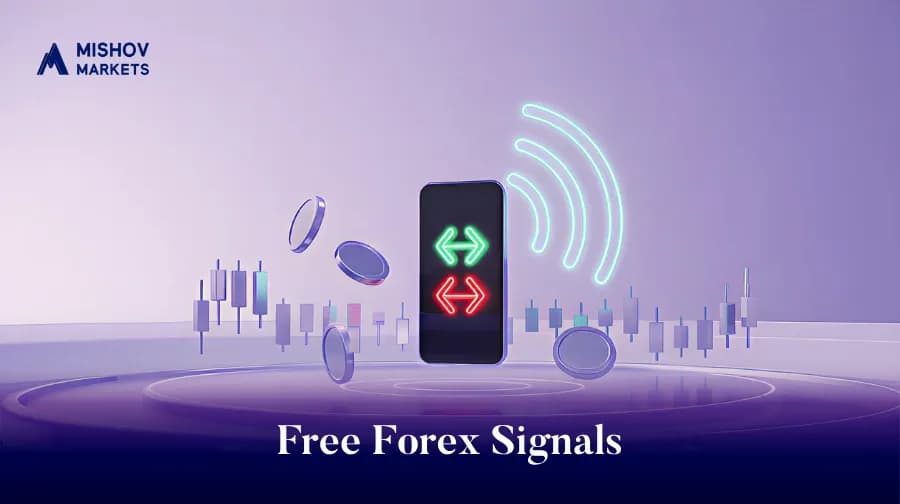
Free forex signals in the foreign exchange market attract traders worldwide. Traders are constantly searching for tools that can help them make informed decisions. Among the most popular of these tools are free forex signals, which promise actionable trade ideas without requiring a paid subscription. For beginners, free signals may appear to offer a shortcut into trading, while experienced traders often view them as a supplementary source of market insight. However, despite their widespread availability, free forex signals are often misunderstood. Questions around their reliability, appropriate usage, and potential risks remain common. This article aims to provide a clear and balanced overview of free forex signals, explaining what they are, where to find them, how they can be used responsibly, and the common mistakes traders should avoid when relying on them.
What Are Free Forex Signals?
Free forex signals are trade alerts provided at no cost, typically indicating a currency pair to buy or sell, a suggested entry price, and a stop-loss (SL) and take-profit (TP) levels, and sometimes additional guidance. For example, some traders describe free signals as alerts that prompt the recipient to consider entering a trade, often including details such as entry price, stop-loss, and take-profit levels. These signals are designed for traders who want trade ideas without paying for a premium subscription. The best free forex signals can come from analysis websites, telegram groups, Discord, brokers, or automated systems.
Are Free Forex Signals Reliable?
(Advantages & Disadvantages of free forex signals) Let’s talk about the advantages first,
Cost-effective: because they are free, traders can try them without upfront subscription costs.
Trade ideas: free signals can inspire, especially for beginners who might not yet have their strategy. For example, one site suggests free forex signals can help you navigate the forex market with expert insights.
Learning tool: Following free signals and comparing them to your own analysis can help you learn about entry/exit logic, risk management, and timing.
Now, let’s break down the disadvantages. There is no guarantee or oversight in free forex signals daily, which may lack transparent track records or audited performance logs. According to the feedback of most traders, it’s better to use the test providers’ free signals before making any commitment to their services. Not all signals are accurate or worth following. Additionally, if traders follow free signals blindly without verifying, they risk poor execution, mismatched trade size, or ignoring their own risk profile. Timing and quote differences can also cause problems because traders might get their free signal data from one provider and then continue to trade using a different broker service; in this case, the entry and exit points may differ due to spread and execution.
Free forex signals can be useful, especially as a supplement or learning tool, but they should not be treated as a guaranteed source of profits. Reliability depends heavily on the signal provider’s transparency, the trader’s execution, and the alignment of the signal with the trader’s risk management.
How Do I Get Free Forex Signals?
Here are common ways to get the best free forex signals:
-
Analysis websites: Many platforms publish free daily signals alongside their market commentary.
Telegram groups: Many signal providers offer free forex signals telegram groups or channels, where they post entry/exit instructions or alerts. -
Broker-provided signals: Some brokers offer free signals to attract clients. This way, they may provide signals only to their own users.
-
Social trading or trade copier platform: Some platforms allow following “strategy providers” whose signals may be free or have a free tier.
-
Free trial offers: Some premium signal services offer a limited free trial period during which you receive signals with no payment. When using these channels, always ensure you verify how the signals are delivered (entry price, SL/TP, timing), how recent they are, and whether they are compatible with your broker and trading platform.
Can I Use Free Forex Signals For Automated Trading?
Shortly, yes, in some cases, free forex signals can be used for automated trading, but there are warnings:
If the signals provide structured data (instrument, buy/sell, entry price, SL, TP), you might plug them into trade-copier software or via API bridge to automate execution.
However, free signals may not be optimised for automation; they might lack execution timing precision, have delays, or be intended for manual execution.
Automation and experts introduce additional risk; if the signal is executed immediately via automation, but the underlying market context has changed (spread widened, news event, slippage), then the trade may perform worse than expected.
Some providers explicitly separate “manual” signal following from “automated” systems, and advise that automation needs compatible brokers/platforms. For example, one provider on its free signals page includes a position size calculator and disclaimers about broker quote differences.
You can use free signals for automated trading, but you should ensure that the signal provider supports or permits automation, that you have compatible infrastructure, and that you understand the additional execution risk compared to manual following.
Common Mistakes When Using Free Signals
Here are some of the most common mistakes traders make when using free forex signals.
-
Blind copying without analysis: Accepting signals without verifying whether they fit your risk tolerance, the broker’s conditions, or market context.
-
Ignoring the credibility of the signal provider: Using signals from providers with no verified track record or unrealistic performance claims.
-
Poor risk management: Following signals but ignoring lot sizing, stop loss discipline, or account drawdown controls, and this way the loss is increased.
-
Overtrading free signals: This might encourage many entries, but without quality or selectivity, trading every signal can degrade performance.
-
Using signals as a substitute for learning: Relying exclusively on signals instead of developing your own analysis and strategy means you lack adaptability when the market changes.
In summary, traders can utilize free signals for automated trading, but it is essential to ensure that the signal provider supports or permits automation, that you have compatible infrastructure, and that you understand the additional execution risk associated with automated trading compared to manual following.